when a pipe splits inside a wall, ceiling or garage
Standing water in your home? Call (918) 972-3163
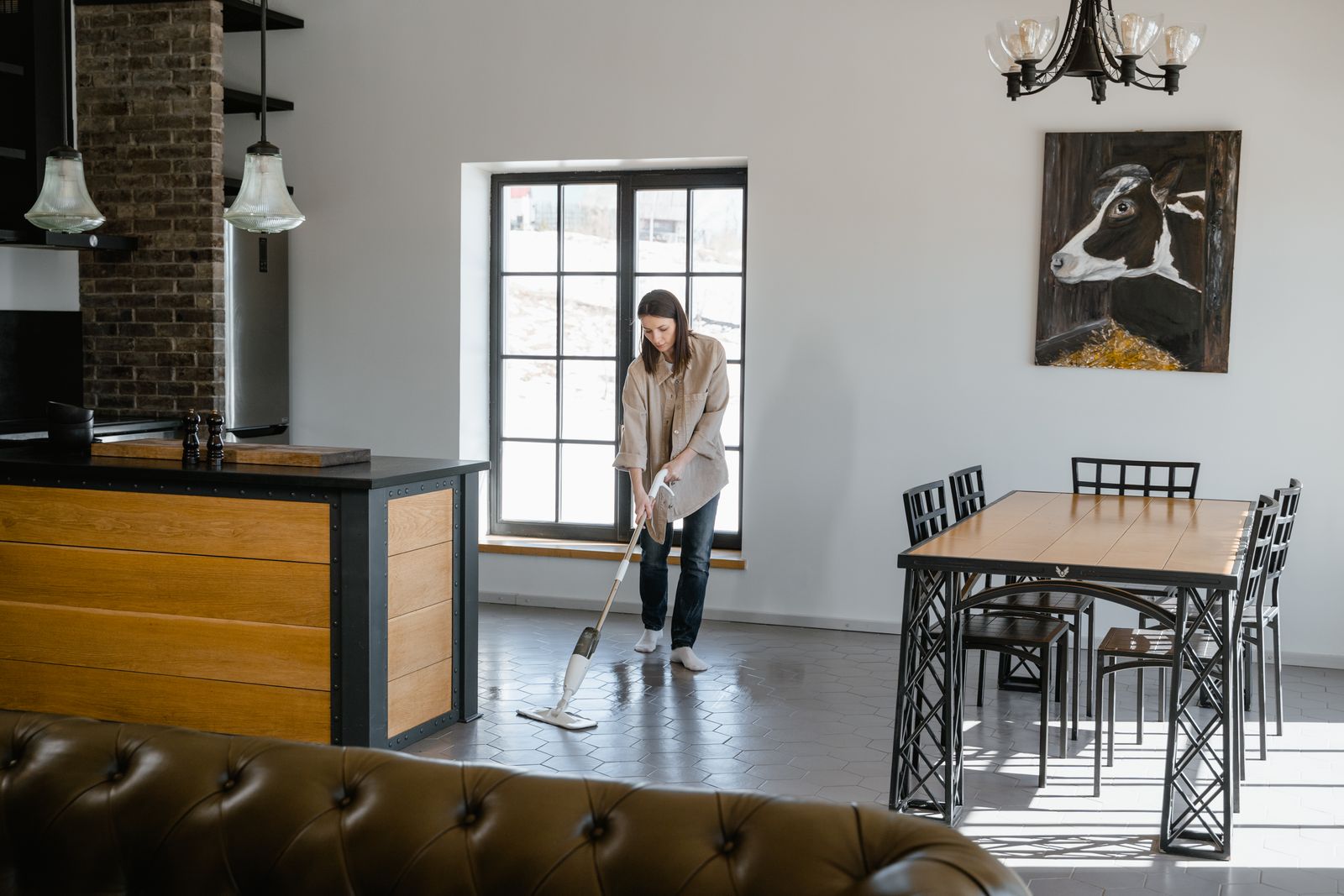
Water on the floor doesn't stay there. It soaks into carpet pad, slides under flooring and wicks up drywall within hours. Our emergency water removal in Owasso gets the standing water out, finds where it spread and starts drying, day or night.
Stop the water at its source, stay away from electricity and move what you can out of the water. Then take photos. Those four steps limit the damage and protect your insurance claim while help is on the way.

Stop the source. Close the main water shut-off or the valve on the leaking fixture. If outside water is coming in, block doorways with towels or sandbags only if it's safe.
Stay away from electricity. Don't step into water near outlets, cords or appliances. Switch off power to wet rooms only if the breaker panel is in a dry spot.
Lift and move. Put furniture legs on foil or wood blocks, and move rugs, electronics, papers and medicine to a dry room.
Take photos and video. Record the water level, the source and damaged items before cleanup starts.
Keep doors to wet rooms closed if it's humid outside, so damp air doesn't spread through the house.
Standing water is removed with pumps for deep water and extraction equipment for carpet and hard floors. Truck-mounted and portable extractors pull water out of carpet and pad far more strongly than a household vacuum, and smaller tools reach under cabinets and along baseboards.
Submersible pumps for deep standing water in garages and low rooms
Truck-mounted or portable extractors for carpet, pad and large floor areas
Weighted extraction tools that press water out of carpet and pad
Floor and wall tools for hard floors, baseboards and toe kicks under cabinets
A shop vac can handle a small puddle on tile or concrete if you catch it right away. It can't pull water out of carpet pad, from under vinyl plank or laminate, or out of the bottom of the drywall. That trapped water is what leads to swelling, odor and mold. Never use a shop vac on sewage or outside floodwater.
Water keeps traveling after the floor looks dry. It hides where you can't wipe it up, which is why moisture meters and thermal imaging are used before and after extraction.
Under carpet pad and along the tack strip at the walls
Under vinyl plank and laminate, where it spreads across the slab
In the bottom of the drywall and behind baseboards
Under kitchen and bathroom cabinets, in the toe kick space
In the next room, through the wall plate on an open floor plan
Carpet cleaning removes dirt from the surface of a carpet. Water damage removal pulls water out of the carpet, pad, flooring and walls, then dries the building underneath. If water came from a leak, a burst pipe or flooding, a carpet cleaning machine won't reach the water trapped under the floor and in the walls.
After extraction, the structure still holds water inside drywall, subfloor and framing. Drying starts right away with air movers and dehumidifiers, and moisture readings are taken until the materials are dry. Anything that can't be saved, like soaked carpet pad, is removed so the rest can dry.
Learn more: How structural drying works
The source of the water decides how it's removed. Clean water from a supply line is handled differently from water that may be contaminated.
Clean water: a broken supply line, a faucet left running or a water heater leak
Gray water: a washing machine or dishwasher overflow
Contaminated water: sewage, a toilet overflow with waste, or outside floodwater. See sewage backup cleanup.
Water from an appliance or water heater? See appliance leak water damage and water heater leak cleanup.


Wet carpet can often be saved if the water was clean and it's extracted and dried quickly. The pad underneath usually soaks up more water than the carpet and is often replaced. Carpet touched by sewage or outside floodwater is normally removed for safety.
Water spreads further every hour it sits. It soaks into pad and subfloor, wicks up drywall and swells cabinet bases. The longer materials stay wet, the more of them have to be removed and the higher the chance of mold. Fast extraction keeps the job smaller.
See what affects water damage restoration cost.
Not always. Water that runs under vinyl plank or laminate can sometimes be dried if it's found quickly. Laminate swells more easily than vinyl. If water stays trapped under the planks, some or all of the floor may need to come up so the slab underneath can dry.
Usually not, if the water was clean and power is safe. You'll want to stay out of the wet rooms while equipment runs. Leave the area if the water is sewage or floodwater, if a ceiling is sagging, or if water reached electrical outlets or the breaker panel.
Water removal is the first step: getting standing water out. Water mitigation is the whole effort to stop the damage from getting worse, which includes removal, taking out materials that can't be saved and drying the structure. Restoration comes after, when damaged materials are repaired.
If the water came from a sudden event that your policy covers, like a burst pipe, water removal is usually part of the claim. Outside floodwater is often treated differently. We record photos and moisture readings and can talk with your adjuster. Read more about water damage insurance claims.
Every hour water sits, it spreads further under floors and into walls. Call us and tell us what happened.
Serving Owasso, Collinsville, Claremore, Catoosa and nearby areas
Water damage in your Owasso home? Call now.
Every hour water sits, it spreads further into your home. Call us, tell us what happened, and we will help you take the right next step.
Call (918) 972-3163