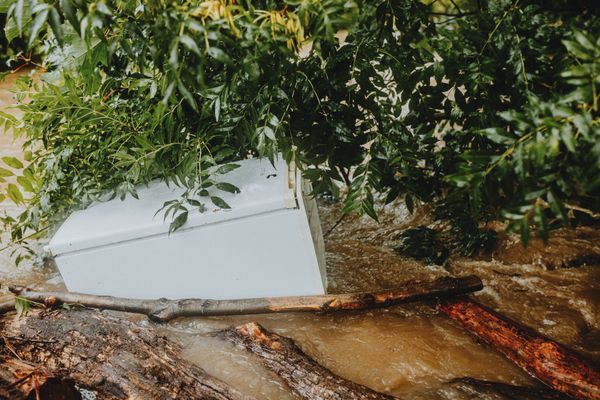
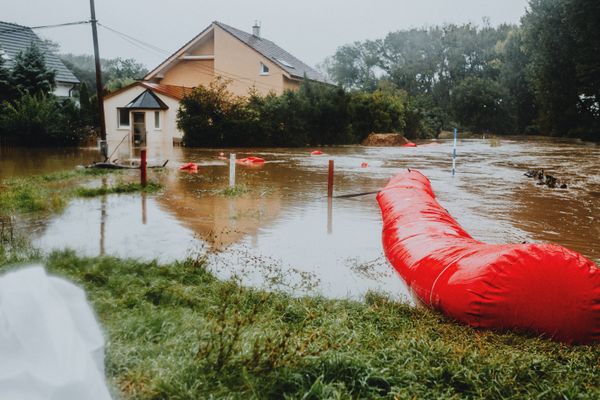
standing water extracted fast so drying can start
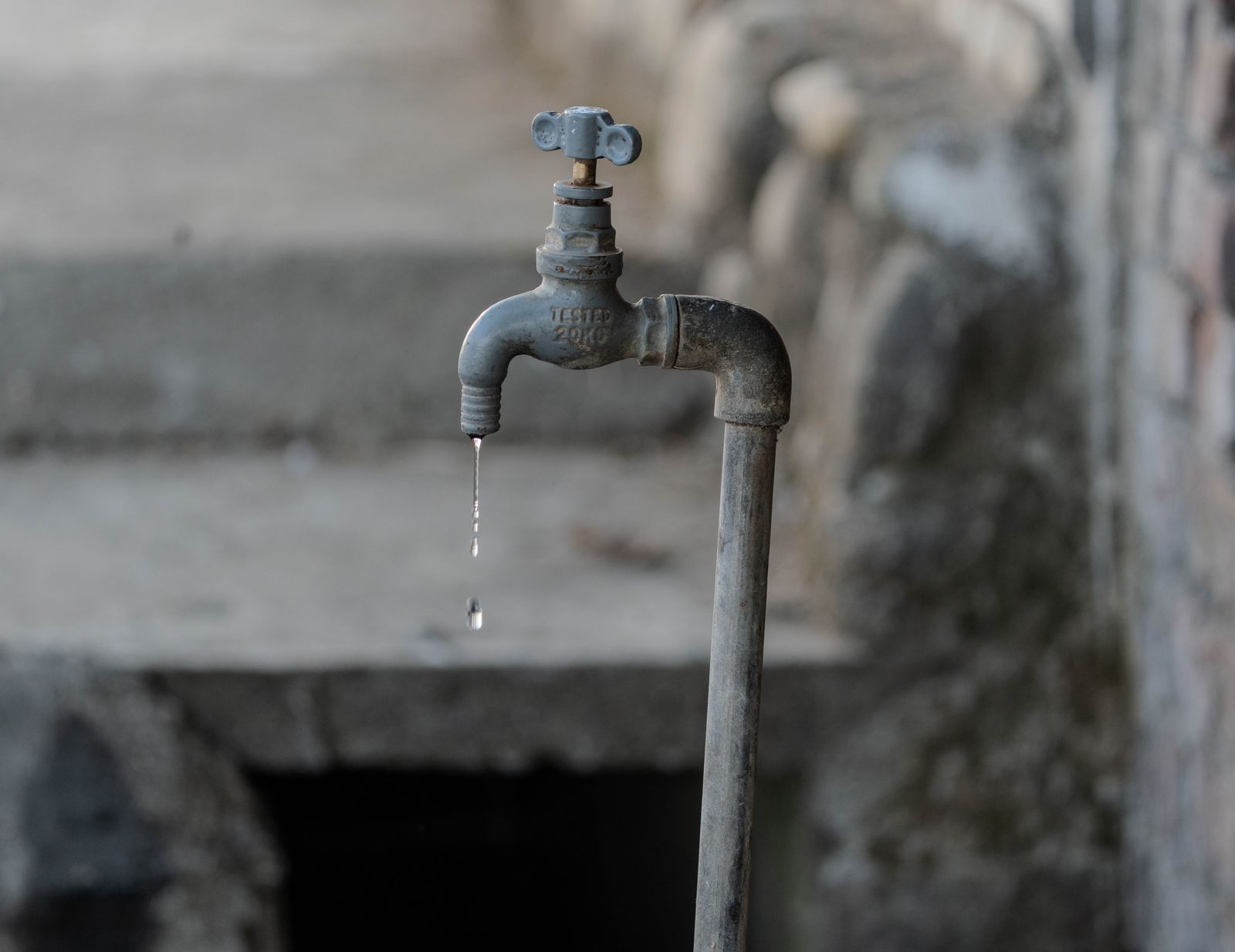
Pipe burst? Shut off the main water, then call (918) 972-3163
A burst pipe keeps pouring water into walls, ceilings and floors until the water is shut off. We handle burst pipe water damage in Owasso, day or night. We stop the spread, remove the water and dry everything it reached, including the parts you can't see.
Shut off the main water valve first, then keep away from electricity and take photos. Every minute the water runs, it soaks further into drywall, insulation and subfloor. Once the water is off, open a faucet to drain what's left in the lines and call for help.
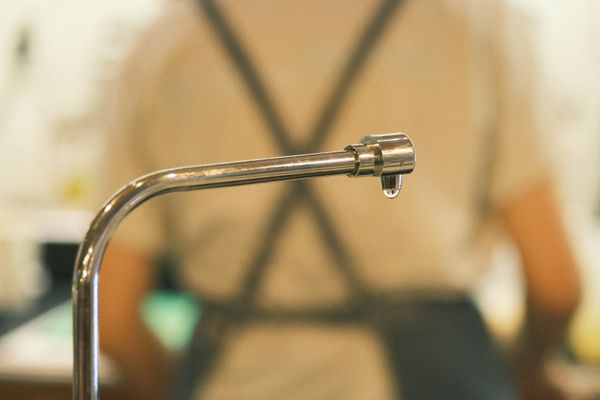
Shut off the main water. In many Owasso homes the main shut-off is in the garage near the water heater, or where the water line enters the house. If you can't find it, the curb valve at the water meter box shuts off the whole house.
Keep away from electricity. Don't touch outlets, switches or cords near the water. If the breaker panel is dry, switch off power to the wet rooms.
Drain the lines. Open the lowest faucet in the house to let the remaining water out of the pipes.
Catch and contain. Put buckets under ceiling drips and move furniture, rugs and electronics out of the way.
Take photos and video. Record the burst pipe, the water and anything damaged before cleanup starts.
Call a plumber and call us. The plumber repairs the pipe. We remove the water and dry the structure.
First steps for any kind of leak: what to do right after water damage.
Pipes burst because water expands as it freezes, building pressure between the ice and the closed faucet until the pipe splits. The leak usually shows up when the ice thaws and water flows again, which is why many burst pipes are found the day after a freeze, or even days later as temperatures swing up and down.
Oklahoma ranks among the worst states for burst-pipe insurance claims. Cold fronts here can drop temperatures fast, and the February 2021 winter storm left many Owasso homes with split pipes. Homes are built for mild winters, so pipes in exterior walls, garages and attics often have little protection when a hard freeze arrives.
Pipes freeze first wherever cold air reaches them and heat from the house doesn't. In Owasso's slab homes, these are the usual spots:
A pipe that bursts inside a wall or ceiling usually shows up as water stains, damp or bulging drywall, the sound of running water, or a water meter that keeps moving when nothing is on. Water travels down studs and along ceiling joists, so the wet area is usually larger than the stain you see.
Sound of running or dripping water with every faucet off
Water meter dial moving when nothing in the house is using water
Yellow or brown stains, bubbling paint or soft drywall
A sagging or bulging ceiling
Water at the base of a wall or under baseboards
Lower water pressure than normal
A musty smell days after a freeze
A frozen pipe gives you little or no water at the faucet but no leak. A burst pipe leaks once the ice thaws. If a faucet won't run during a freeze, the pipe is likely frozen but may already be split, so watch for water as it warms up.
If you think a pipe is frozen:
We confirm the water is off, remove the standing water, find every place it traveled and dry the structure until readings show it's dry. Then the damaged materials are repaired or replaced.
Confirm the source is stopped and coordinate with your plumber on the repair.
Extract standing water from floors, carpet and pad.
Map the moisture inside walls, ceilings and floors with moisture meters and thermal imaging.
Remove what can't be saved, such as soaked ceiling drywall, wet blown-in insulation and carpet pad.
Dry the structure with air movers and dehumidifiers, taking readings until the materials are dry.
Treat and clean affected areas to help prevent mold.
Repair drywall, flooring and finishes.
It depends on how long the water sat and which material got wet. Water from a supply line is clean at first, so many materials can be dried in place if they're caught quickly. Materials that stay wet, sag or swell usually need to be replaced.
| Material | Usually dried in place when | Usually replaced when |
|---|---|---|
| Wall drywall | Damp but firm, caught quickly | Soft, crumbling or wet for too long |
| Ceiling drywall | Lightly damp | Sagging, bulging or soaked |
| Blown-in insulation | Rarely | Wet, compressed or matted |
| Carpet | Clean water, dried quickly | Wet for too long or contaminated |
| Carpet pad | Rarely | Almost always after soaking |
| Vinyl plank and laminate | Water hasn't stayed under it | Water trapped underneath or planks swelling |
| Hardwood | Caught early with mild cupping | Severe cupping or buckling |
Shut off the water first, then call both. The plumber fixes the pipe, and we remove the water and dry your home. We can start on the water damage while the plumber works, so the damage doesn't keep spreading while you wait for the repair.
Most standard homeowners policies cover sudden water damage from a pipe that bursts after freezing. Damage from a slow leak over time, or from a home left unheated, may be treated differently, so check your own policy.
To protect your claim:
We record photos and moisture readings throughout the job and can talk with your adjuster. Read more: Water damage insurance claims in Owasso
Keep heat reaching the pipes and keep water moving when a hard freeze is coming.
Drip faucets on exterior walls overnight.
Open cabinet doors under sinks on outside walls.
Disconnect garden hoses from outdoor spigots.
Keep the garage door closed.
Know where your main water shut-off is before winter.
Full guide: How to prevent frozen pipes in Owasso
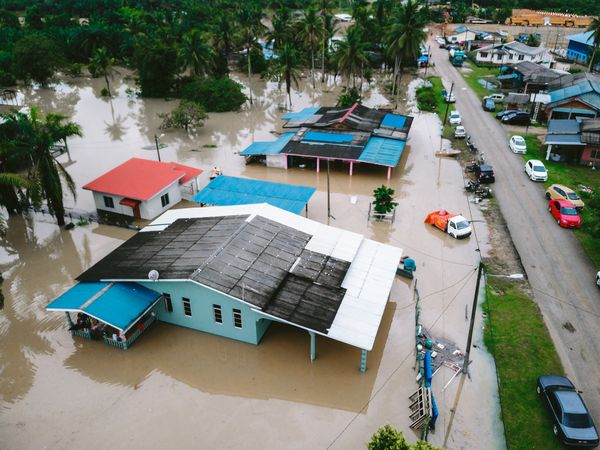
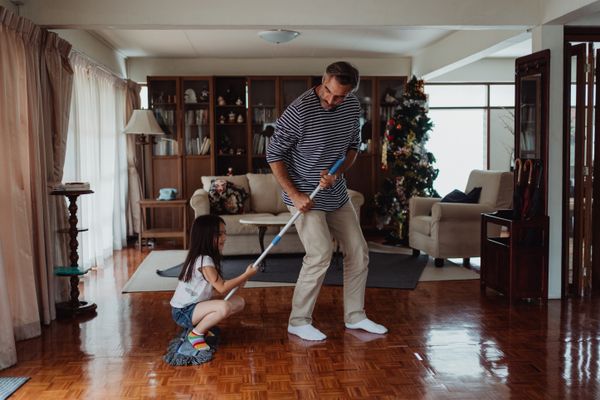
Ice inside a pipe blocks the water, and the split often stays sealed until the ice melts. When temperatures rise and water flows again, the crack starts leaking. Temperature swings after a freeze can also stress pipes that were already weakened, so new leaks can appear for several days.
Shut off the main water right away, because the leak is inside the wall where you can't see it. This often happens when a garden hose was left attached to a frost-free spigot during a freeze. Call a plumber to replace the spigot and call us to dry the wall cavity before mold starts.
If the main water stays off for a while, turning the water heater off or to its lowest setting is a sensible precaution. A tank heater can be damaged if it runs while the water supply is cut. Check your water heater's instructions, and ask your plumber before turning it back on.
Only after the plumber has repaired the pipe. Turn the main back on slowly and check under sinks, in the garage and along the ceiling for new leaks, because a freeze can damage more than one pipe at a time.
Usually, yes, if the water was clean, the power is safe and no ceiling is sagging. Leave the affected rooms if water reached electrical outlets or the breaker panel, or if a wet ceiling is bulging and could come down.
In most rentals the landlord handles repairs to the building, while the tenant's renters insurance covers their own belongings. Lease terms vary, so check yours. Landlords and property managers can read about our rental property water damage help.
It depends on how much water there was, how long it sat and which materials got wet. Drying continues until moisture readings show the materials are dry, not on a fixed schedule. We explain the plan once we've inspected the damage.
The longer water sits inside walls and ceilings, the more has to be torn out. Shut off the main, then call.
Serving Owasso, Collinsville, Claremore, Catoosa and nearby areas
Water damage in your Owasso home? Call now.
Every hour water sits, it spreads further into your home. Call us, tell us what happened, and we will help you take the right next step.
Call (918) 972-3163