standing water pumped and extracted from floors, carpet and rooms so drying can start.

Local water damage help for Owasso and nearby towns, day or night
Burst pipe, roof leak or storm water in your home? Our team handles water damage restoration in Owasso, day or night. We stop the source, remove the water and dry your home properly before it turns into mold or rotted floors.
Our team removes water, dries and restores homes and businesses in Owasso, Oklahoma (ZIP 74055), across Tulsa and Rogers counties and nearby Green Country towns. We handle water extraction, structural drying, burst and frozen pipes, storm and roof leaks, flooding, sewage backups, slab leaks, AC and appliance leaks, and mold after water damage. We document every job for insurance.

Shut off the water, stay clear of electricity, and take photos before anything is moved. These three steps stop the damage from growing and protect your insurance claim. Then call for help, because water that has soaked into walls, floors and insulation keeps causing damage long after the floor looks dry.
Shut off the water. Close the main water shut-off valve, or the valve behind the toilet, sink or appliance that is leaking.
Stay safe around electricity. Never touch outlets, cords or the breaker panel while standing in water. If the panel is in a dry spot, switch off power to the wet rooms.
Take photos and video. Record the water, the source and anything damaged before you move or throw it away.
Move what you can. Lift rugs, electronics, papers, medicine and keepsakes to a dry room.
Call us. We'll walk you through the next steps on the phone while our team gets ready.
If a storm or tornado damaged your home, stay out of any room where the roof, ceiling or walls look unsafe. Call 911 first if anyone is hurt or trapped.
Full checklist: What to do right after water damage
Call a plumber when a pipe or fixture needs repair, and a water damage company when water has already spread into floors, walls or ceilings. Most burst pipes and leaks need both. If water is still flowing, shut off the main valve first, then call. We can start removing water and drying while your plumber fixes the pipe, so the damage stops spreading in the meantime.
Plumber: finds and repairs the broken pipe, fitting or fixture.
Water damage company: removes the water, finds hidden moisture, dries the structure and documents it for insurance.
We handle every stage of water damage, from the first emergency call to a dry, safe home. Each service has its own page with more detail.
standing water pumped and extracted from floors, carpet and rooms so drying can start.
when a pipe splits inside a wall, ceiling or garage after a hard freeze, we stop the spread and dry everything it reached.
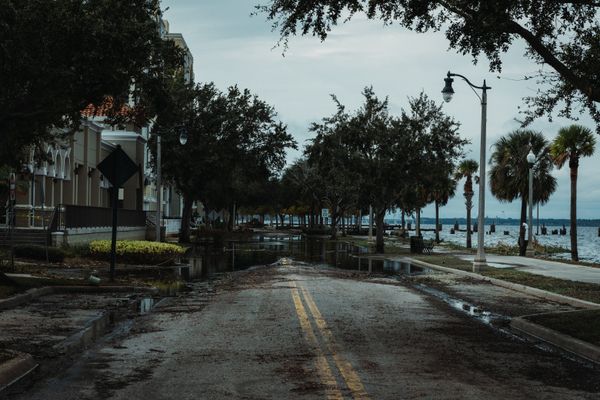
Storm and tornado water damage
when wind opens your roof or breaks a window, the rain that follows soaks insulation, ceilings and walls.
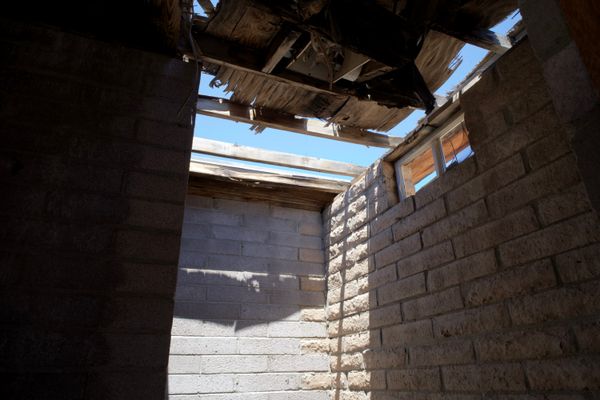
Roof leak and ceiling water damage
water through a ceiling or light fixture usually means wet attic insulation above it.

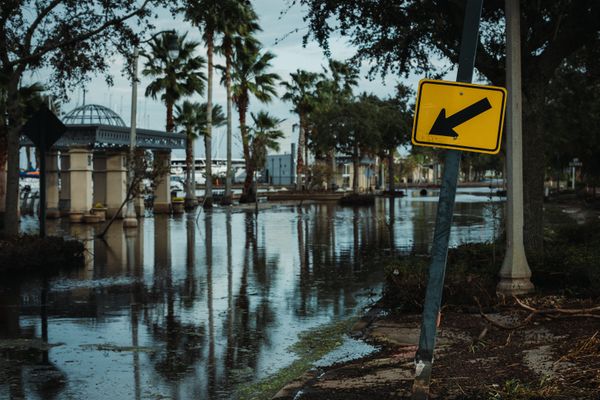
rainwater or creek water that comes in under doors is contaminated and has to be handled safely.
air movers, dehumidifiers and moisture readings dry walls, subfloors and framing, not just the surface.

contaminated water and materials removed, surfaces disinfected, odor controlled.
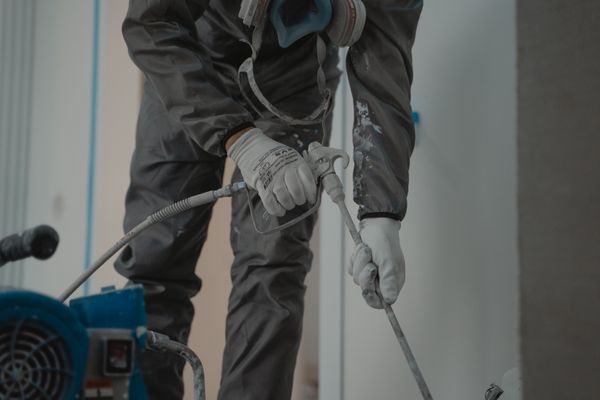
a musty smell after a leak usually means hidden moisture; we fix the source and remove mold-damaged materials.

warm spots or wet flooring with no visible source can mean a leak under the concrete slab.

a clogged condensate drain line can overflow onto the ceiling below the air handler.
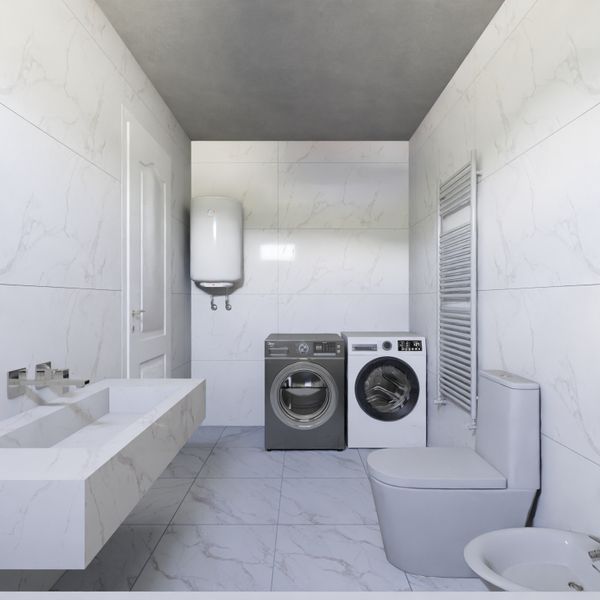
a failing tank can flood a garage or utility closet and soak the walls beside it.
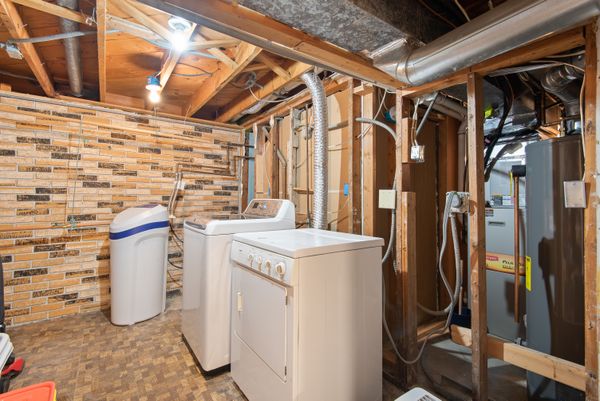
washer hoses, dishwashers, ice maker lines and toilet supply lines can leak under cabinets and floors.
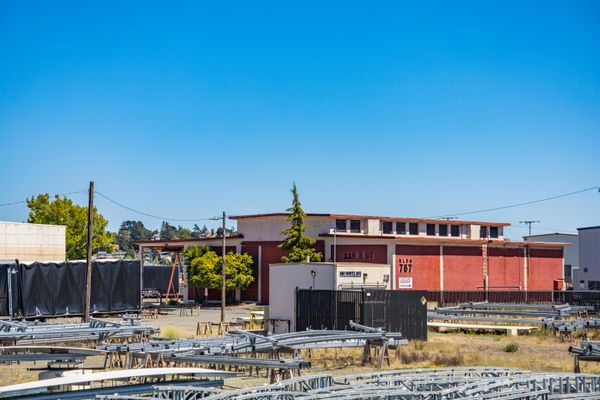
offices, shops and restaurants, with work planned around keeping you open.

for landlords and property managers, with updates for owners and tenants.

newer homes can leak too; we dry it and document it for warranty or insurance questions.
Not sure which service you need? Call and tell us what happened.
Owasso homes take on water from two directions: severe weather from outside and plumbing failures from inside. Ice storms, hard freezes, spring thunderstorms, hail, tornadoes and flash flooding all hit this part of Green Country in northeast Oklahoma. Inside, pipes, water heaters, AC drain lines and appliances wear out and fail.
Hard freezes and ice storms. Cold fronts can drop temperatures fast here, and pipes in exterior walls, garages and attics freeze first. The burst usually happens when the ice thaws and water pressure returns. Oklahoma ranks among the worst states for burst-pipe insurance claims, and the February 2021 winter storm left many Owasso families dealing with split pipes.
Hard freeze on the way? See how to prevent frozen pipes in Owasso.
Spring storms, hail and tornadoes. Owasso has seen serious storm damage in recent years, including a strong tornado in May 2024 and another that damaged Owasso homes in April 2025. When wind or hail breaks through a roof, rain runs into the attic, soaks the blown-in insulation and comes through the ceiling.
Flash flooding and Bird Creek. Heavy downpours can push water under garage doors and patio thresholds. Low areas near Bird Creek are prone to flooding during major rain events.
Slab foundations. Most Owasso homes sit on a concrete slab. A leak spreads under flooring and wicks up into the bottom of the drywall, and a slab leak can run unnoticed until a floor feels warm or wet.
A mix of newer and older homes. Owasso has many newer subdivisions alongside homes built in the 1970s through the 1990s. Newer homes can still have flashing, fitting or drainage problems. Older homes have aging pipes, water heaters and supply lines.
Each season in Owasso brings its own kind of water damage, so the most common calls shift through the year.
| Season | What usually goes wrong | Where to look |
|---|---|---|
| Winter | Frozen and burst pipes, ice storm roof leaks | Exterior walls, garages, attics, hose bibs |
| Spring | Storm, hail and tornado roof damage, flash flooding | Ceilings, attic insulation, garage doors, patio doors |
| Summer | AC condensate overflow, humidity-driven mold after leaks | Ceilings under the air handler, closets, attic |
| Fall | Slow leaks found before winter, aging water heaters | Under sinks, around the water heater, laundry room |
Most water damage starts in a handful of rooms, and each one hides water in its own way.
Kitchen. Dishwasher leaks, ice maker lines and sink supply lines soak cabinet bases and the subfloor underneath.
Bathrooms. Toilet overflows, supply line bursts and failed shower seals spread into hallways and the ceiling below.
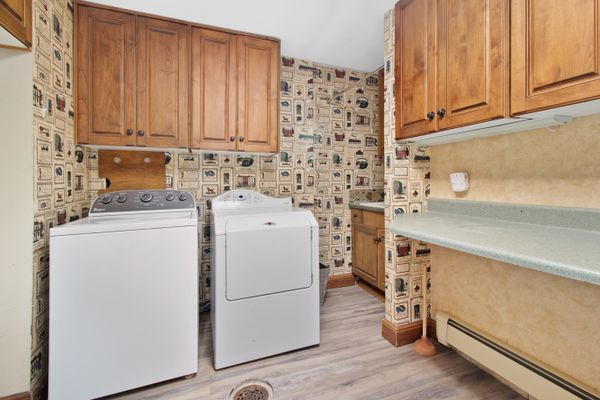
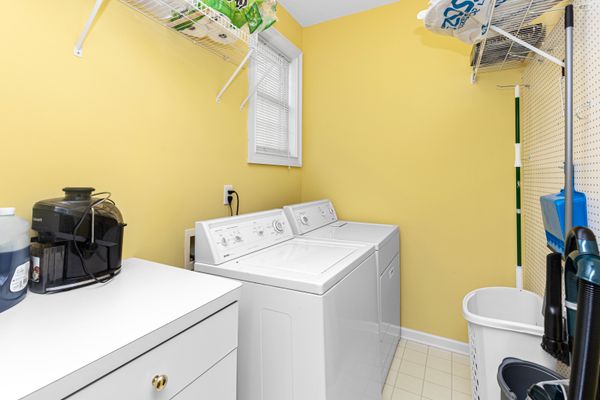
Laundry room. A burst washing machine hose keeps running until someone shuts it off.
Attic and ceilings. Roof leaks, AC drain line overflows and attic pipes wet the insulation before a stain ever shows.
Garage. Water heaters, frozen outdoor spigots (hose bibs) and storm runoff flood the slab and wick into the shared wall.
Under the floors. Slab leaks and appliance leaks travel under vinyl plank, laminate and tile where you can't see them.
Water damage restoration means stopping the water, removing it, drying the structure completely and repairing what was damaged. Every job follows the same core steps, adjusted to the type of water and how far it spread.
Inspection. We find the source, identify the type of water and check how far it traveled.
Stop the source. The leak, overflow or roof opening is controlled so no new water gets in.
Water extraction. Standing water is removed from floors, carpet and pad.
Moisture mapping. Moisture meters and thermal imaging show where water spread inside walls, ceilings and floors.
Removing what can't be saved. Wet insulation, swollen cabinet bases or contaminated drywall come out when drying won't save them.
Structural drying. Air movers and dehumidifiers dry the structure, and we take readings until the materials are dry.
Cleaning and sanitizing. Affected areas are cleaned, with antimicrobial treatment where needed.
Restoration. Drywall, flooring and the other damaged parts of your home are repaired or replaced.
Learn more: How structural drying works
Water mitigation stops the damage from getting worse, and water restoration repairs what was damaged. Mitigation is the urgent part: stopping the source, extracting water, removing what can't be saved and drying the structure. Restoration comes after: replacing drywall, flooring, baseboards and anything else that was removed. Most jobs need both.
Water damage is grouped by how clean the water is, and that decides how it has to be handled. Clean water can often be dried in place if it's caught quickly. Contaminated water means porous materials it touched usually have to go.
Clean water (Category 1): from a clean source, such as a broken supply line or a faucet left running. It can turn contaminated if it sits.
Gray water (Category 2): has some contamination, such as discharge from a washing machine or dishwasher.
Black water (Category 3): sewage or outside floodwater. It carries bacteria, and porous materials it touches are usually removed.
How much of the home is wet matters too. A puddle on tile is very different from water that soaked carpet, drywall and subfloor across several rooms.
Hidden water damage shows up as stains, bubbling paint, soft drywall, swollen baseboards, warped flooring or a musty smell. Water travels along framing, under flooring and through insulation, so the wet area is usually much bigger than the visible stain. Moisture meters and thermal imaging find it without tearing walls open.
Watch for:
You can dry a small spill on a hard floor yourself if you catch it right away. Anything that has soaked into carpet pad, drywall, insulation, cabinets or subfloor usually needs professional drying, because fans dry the surface while moisture stays trapped inside. Sewage and outside floodwater should never be cleaned up without protective equipment.
Call for help when:
Most homeowners insurance policies cover sudden and accidental water damage, like a burst pipe or an appliance that fails without warning. A slow leak over months, or rising outside floodwater, is often treated differently. Every policy is different, so check yours or call your agent.
We record the damage with photos and moisture readings and can talk with your adjuster, so you have a clear record of what happened and what was affected.
Read more: Water damage insurance claims in Owasso
The cost of water damage restoration depends on the type of water, how much of the home is wet, which materials are affected, how long the water sat and whether repairs are needed afterward. That's why every job needs an on-site look before anyone can say what it will involve. Acting fast usually keeps the job smaller, because water has less time to spread and mold has less time to start.
Read more: What affects water damage restoration cost
You talk to a real person who asks what happened, where the water came from and whether anyone is in danger. We tell you what to do while you wait, then come out to inspect, stop the source and start removing water. Before drying starts, we explain what we found, what has to be removed and what can be saved.
Homeowners, in newer subdivisions and older established neighborhoods
Renters dealing with a leak in their home or apartment
Landlords and property managers who need a dependable call for tenant emergencies: rental property water damage
Businesses, including offices, shops and restaurants: commercial water damage
We work throughout Owasso, ZIP 74055, in both the Tulsa County and Rogers County parts of the city. That includes homes along the US-169 corridor, off 86th Street North and 96th Street North, and in subdivisions such as:
Bailey Ranch · Preston Lakes · Coffee Creek · Honey Creek · Crescent Ranch · Three Lakes · Stone Canyon · The Greens at Owasso
We also serve nearby towns, including Collinsville,Claremore and Catoosa.
See all areas we serve
Shut off the water at the main valve or the leaking appliance, then switch off power to wet rooms only if the breaker panel is in a dry spot. Take photos and video of the damage, move valuables to a dry room, and call for help so the water doesn't keep spreading into walls and floors.
Water damage restoration starts with finding and stopping the source, then removing standing water. Moisture meters and thermal imaging locate hidden water, and air movers and dehumidifiers dry the structure until readings confirm it's dry. Damaged materials are cleaned, removed or repaired, and the home is put back together.
Yes. We record the damage with photos, moisture readings and notes, and we can speak with your adjuster about what was affected. What's covered depends on your own policy, so call your insurance company early to open the claim.
Water keeps moving after the leak stops. It wicks up drywall, spreads under flooring and soaks into insulation. The longer materials stay wet, the more likely they are to warp, swell or grow mold. Drying fast usually means fewer materials have to be removed and a smaller job overall.
Look for stains, bubbling paint, soft drywall, swollen baseboards, warped floors or a musty smell. Water often travels well past the visible stain, so moisture meters and thermal imaging show exactly where it spread without opening walls unnecessarily.
It depends on how much water there was, which materials got wet and whether repairs are needed afterward. Drying continues until moisture readings show the materials are dry, not on a fixed schedule. We explain what your job involves once we've inspected the damage.
It is usually safe to stay if the water was clean, the area is small and no electrical outlets or panels got wet. Leave the affected area if there is sewage, outside floodwater, a sagging ceiling, structural damage from a storm, or water near electrical systems.
Water mitigation stops the damage from spreading by removing water and drying the structure. Water restoration repairs and rebuilds what was damaged, such as drywall and flooring. Most water damage jobs need both, in that order.
Call a water damage restoration company when water has spread into floors, walls or ceilings, and a plumber when a pipe or fixture needs repair. In Owasso, call us at (918) 972-3163. We remove the water, dry the structure and can work alongside your plumber so the damage stops spreading.
Turn the air conditioner off at the thermostat, put a bucket under the drip and stay out from under any sagging ceiling. A clogged condensate drain line has likely overflowed the drain pan in the attic, so the insulation above the ceiling is probably wet. Call us to dry it before mold starts.
A wet or warm spot on the floor with no visible source often points to a slab leak under the concrete foundation, or a slow leak from an appliance line under the flooring. Shut off the water at the main if you can, then call so moisture mapping can find where it is coming from.
It depends on the type of water and how long it sat. Carpet soaked by clean water can often be dried and kept if it is handled quickly, though the pad underneath is usually replaced. Carpet touched by sewage or outside floodwater is normally removed for safety.
Yes. Call (918) 972-3163 any time water is damaging your home, including nights, weekends and during storms. Tell us what happened and where the water is coming from, and we will walk you through the first steps on the phone.
Yes. Along with every part of Owasso, we serve nearby towns including Collinsville, Claremore and Catoosa. See the areas we serve page for the full list, and call (918) 972-3163 to confirm we can reach your address.
Every hour water sits, it spreads further into your home. Call us, tell us what happened, and we'll help you take the right next step.
Serving Owasso, Collinsville, Claremore, Catoosa and nearby areas
Water damage in your Owasso home? Call now.
Every hour water sits, it spreads further into your home. Call us, tell us what happened, and we will help you take the right next step.
Call (918) 972-3163