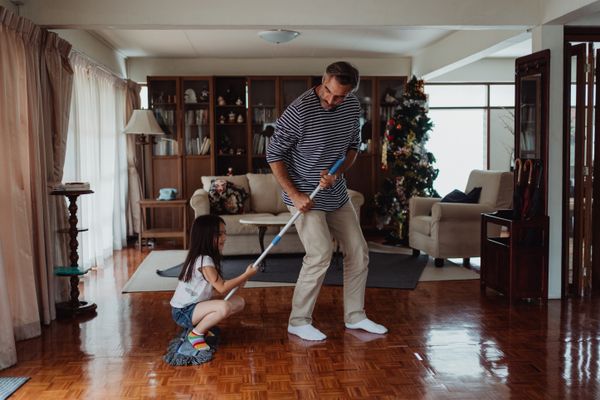
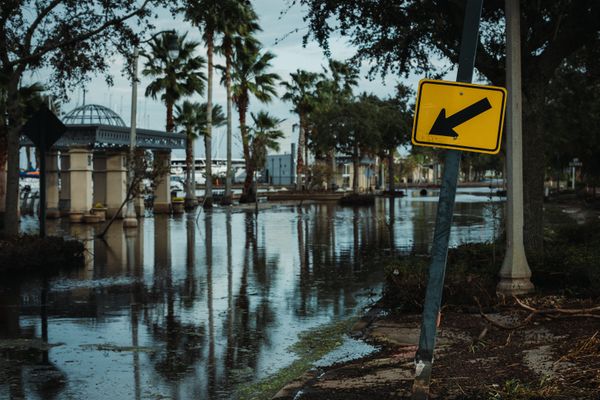
standing water extracted before drying starts
Dry on the surface isn't dry. Call (918) 972-3163
After a leak or flood, the floor can look dry while water is still trapped inside drywall, subfloor, cabinets and framing. Our water damage drying in Owasso measures where the moisture is, dries it with the right equipment and checks it until the materials are actually dry.
Fans move air across surfaces, but they don't remove the moisture from the air or pull it out of materials. In a closed house, the water just moves from the floor into the air and back into drywall, cabinets and furniture. Structural drying pairs fast airflow with dehumidifiers that pull that moisture out of the room, so materials keep drying from the inside out.

Air movers push air across wet carpet, floors and walls to speed evaporation.
Dehumidifiers pull the moisture out of the air so it doesn't soak back into materials.
Moisture meters measure how wet drywall, wood and flooring are.
Thermal imaging cameras show cool, damp areas inside walls and ceilings.
Wall and cavity drying tools push dry air inside walls and under cabinets when needed.
Materials are dry when their moisture readings match the same materials in a dry part of your home. We take those dry readings first, then measure the wet areas each visit and record the numbers. Drying stops when the readings match, not when the surface feels dry to the touch.
Leave the equipment running and in place, keep the drying area closed off, and let us know if anything changes. Turning equipment off or moving it slows drying and can let moisture settle back in.
Keep it running, day and night, unless we tell you otherwise.
Keep windows closed in humid weather, and doors to the drying area shut.
Leave the thermostat at a normal, comfortable setting.
Don't move air movers or dehumidifiers, or cover them.
Keep kids and pets away from cords and equipment.
Call us if a breaker trips, a unit stops or you notice a new smell.
Materials soaked with clean water can often be dried in place if drying starts quickly. The EPA notes that drywall can be dried in place if it isn't swollen and its seams are intact, while wet insulation and ceiling tiles should be replaced.
| Material | Often dried in place | Usually removed |
|---|---|---|
| Drywall | Firm, not swollen, seams intact | Swollen, crumbling or contaminated |
| Insulation | Rarely | Wet blown-in or batt insulation |
| Carpet | Clean water, caught quickly | Contaminated water |
| Carpet pad | Rarely | Usually after soaking |
| Hardwood | Mild cupping, caught early | Severe cupping or buckling |
| Vinyl plank and laminate | No water trapped underneath | Water trapped on the slab, swelling |
| Cabinets | Solid wood, dried quickly | Swollen particleboard bases |
Cabinets soaked by a dishwasher or sink leak? See appliance leak water damage.
Drying time depends on how much water there was, how long it sat, which materials got wet and the weather. A small clean-water leak caught right away dries much faster than a soaked ceiling and wall. We explain the plan after the first readings and update you as the numbers come down.
Most Owasso homes are built on a concrete slab, and water that gets under vinyl plank, laminate or tile spreads across the slab where you can't see it. The flooring may need to come up in that area so the slab can dry. Water also wicks up the bottom of drywall from the slab, so walls are checked even when only the floor got wet.
The pad under the carpet holds far more water than the carpet itself, and fans alone can't pull it out. Water may also be trapped on the slab underneath. Extraction, removing a soaked pad and running dehumidifiers with air movers is what actually dries it.
It's best not to. Drying works because the equipment runs nonstop, keeping air moving and pulling moisture out. Turning it off lets humidity rise and moisture settle back into materials, which slows drying. If noise is a problem, tell us and we'll adjust where we can.
Dehumidifiers give off heat as they work, and warm, dry air pulls moisture out of materials faster. A warmer room during drying is normal. Keep doors closed so the drying area stays separate from the rest of the house.
Drying removes the moisture that causes most musty smells. If the smell stays after materials are dry, something may still be wet or mold may have started in a hidden area, and that spot needs to be checked.
Usually not. Most families stay home and keep the drying area closed off. You may want to leave if the work involves sewage or floodwater, or if the equipment is in bedrooms you need.
When the water damage comes from a covered event, like a burst pipe, drying is usually part of the claim. We keep daily moisture readings and photos, which adjusters use to see why drying was needed. Read more about water damage insurance claims.
Hidden moisture keeps damaging your home after the water is gone. Call us and we'll measure what's still wet.
Serving Owasso, Collinsville, Claremore, Catoosa and nearby areas
Water damage in your Owasso home? Call now.
Every hour water sits, it spreads further into your home. Call us, tell us what happened, and we will help you take the right next step.
Call (918) 972-3163