when a wet floor has no visible source

Washer, dishwasher or fridge leak? Call (918) 972-3163
Appliance leaks keep running until someone turns them off, and the water slips under cabinets and flooring where you can't see it. We handle appliance leak water damage in Owasso: we find how far the water traveled, dry cabinets and subfloors, and check the rooms next door.
Shut off the water to the appliance, unplug it if you can do so safely, and get the water up off the floor. Then check under cabinets and in the next room, and take photos.
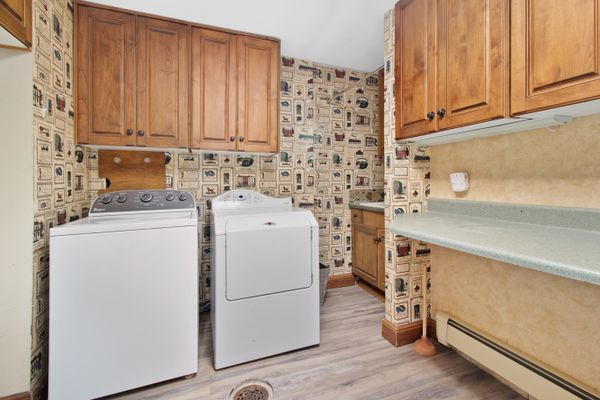
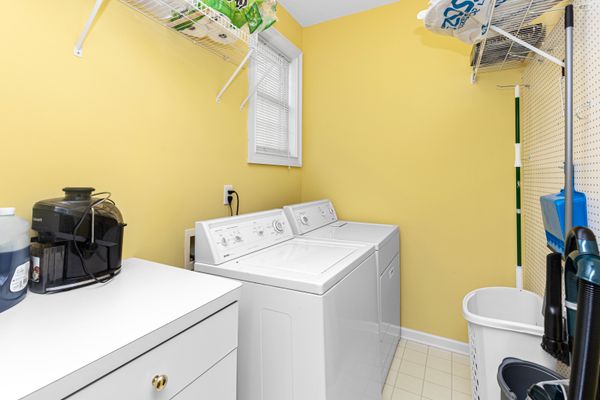

Shut off the water. Use the valve behind the appliance or toilet, or the main shut-off.
Unplug the appliance only if the outlet and your hands are dry, or switch off its breaker.
Soak up and remove water you can reach with towels.
Open cabinet doors and pull out what's stored under the sink.
Check the next room, especially on the other side of a shared wall.
Take photos and call us. Call an appliance technician or plumber for the repair.
| Appliance | Common failure | Where the water goes |
|---|---|---|
| Washing machine | Burst supply hose, drain hose, overflow | Laundry floor, hallway, the room behind the wall |
| Dishwasher | Supply line, door seal, drain hose | Under the dishwasher, cabinet bases, subfloor |
| Refrigerator | Ice maker or water line | Under the fridge and flooring, into nearby cabinets |
| Toilet | Supply line burst, overflow, wax ring | Bathroom floor, hallway, the ceiling below |
| Kitchen or bathroom sink | Supply lines, drain pipes | Cabinet base, back wall, subfloor |
If the water came from a toilet with waste in it, see sewage backup cleanup.
Swollen or soft cabinet bottoms or toe kicks
Warped, lifting or soft flooring near an appliance
A musty smell under the sink or behind the fridge
Stains on the ceiling below an upstairs laundry or bathroom
Loose or cracked tile around the toilet
A water bill higher than usual
Many Owasso homes have open floor plans on a concrete slab. Water from a dishwasher or fridge runs under vinyl plank or laminate, under the cabinet bases and across the slab into the next room. Laundry rooms often share a wall with a bedroom, hallway or the garage, so a washer leak can show up somewhere else entirely.
Map the moisture under cabinets, flooring and in nearby rooms with meters and thermal imaging.
Extract standing water from floors and carpet.
Open up the cabinet toe kick or remove swollen bases so the space behind can dry.
Lift flooring where water is trapped on the slab or subfloor.
Dry with air movers and dehumidifiers until readings are dry.
Learn more: How structural drying works
Replace rubber washer hoses with braided steel supply lines.
Check under sinks and behind the fridge and washer every few months.
Don't run the washer or dishwasher when nobody's home.
Know where each appliance's shut-off valve is.
Consider leak sensors under sinks, the dishwasher, the washer and the water heater.
Water damage from a sudden appliance failure, like a hose that bursts, is often covered. The appliance itself usually isn't, and damage from a slow leak that went on for a long time may not be. Check your policy. Read more: Water damage insurance claims in Owasso

Cabinet bases made of particleboard usually stay swollen once they've soaked up water and need to be replaced. Solid wood cabinets can often be dried if the water is removed quickly. Either way, the space behind the toe kick needs to be opened and dried.
Water from the washer's supply hose is clean. Water from the drum or drain hose has detergent and dirt in it and is treated as gray water, which means some materials it soaked may need more cleaning or removal.
Sometimes. Hardwood that's caught early with mild cupping can often be dried. Boards that buckle or stay cupped after drying usually need to be replaced. Moisture readings show how far the water spread under the floor.
Look for soft or lifting flooring in front of the dishwasher, swollen cabinet bases next to it, or a musty smell when it runs. A moisture meter or thermal camera can confirm whether water is trapped under the floor.
Turn the shut-off valve behind the toilet clockwise, or shut off the main if it won't turn. Soak up the water, then check the floor around the toilet and the ceiling below if it's upstairs. A burst supply line can release a lot of water quickly.
Only if your hands, the outlet and the floor where you're standing are dry. If not, switch off the appliance's breaker at the panel instead. Never touch a plug or outlet while standing in water.
Water under cabinets and floors doesn't dry on its own. Shut off the supply and call us.
Serving Owasso, Collinsville, Claremore, Catoosa and nearby areas
Water damage in your Owasso home? Call now.
Every hour water sits, it spreads further into your home. Call us, tell us what happened, and we will help you take the right next step.
Call (918) 972-3163