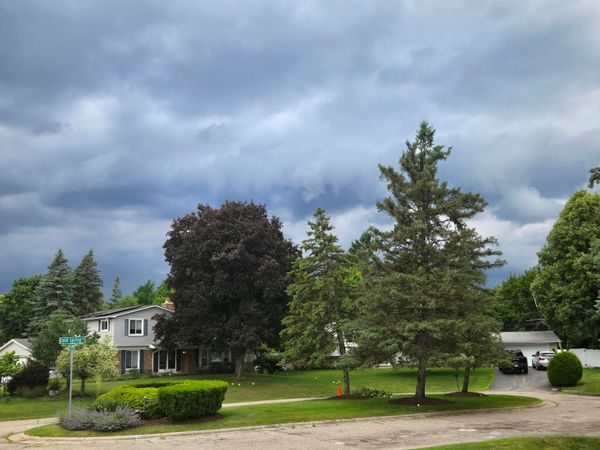
Storm and tornado water damage
when wind or hail opens the roof or windows
Water coming through your ceiling? Call (918) 972-3163
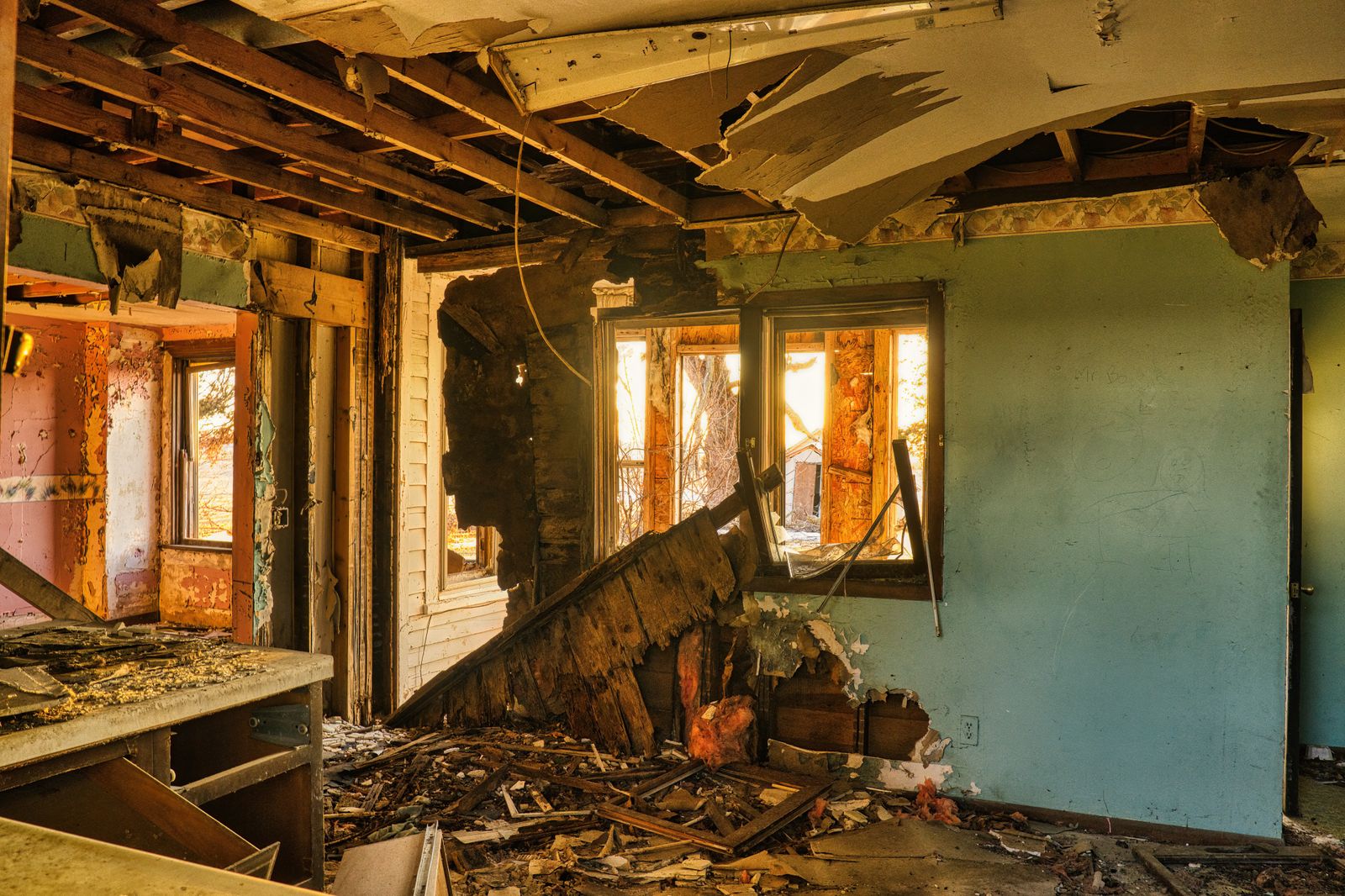
A ceiling stain is usually the last sign of a roof leak, not the first. By the time water drips into the room, the insulation above may be soaked. We handle roof leak water damage in Owasso: we find where the water went, remove what can't be saved and dry the ceiling properly.
Catch the water, protect your belongings and stay out from under any part of the ceiling that's sagging. Then turn off power to any light or fan the water is coming through, and take photos before anything is moved.


Put a bucket under the drip and a towel around it to stop splashing.
Move furniture, electronics and rugs out from under the leak.
Turn off power at the breaker for any light fixture or ceiling fan with water near it.
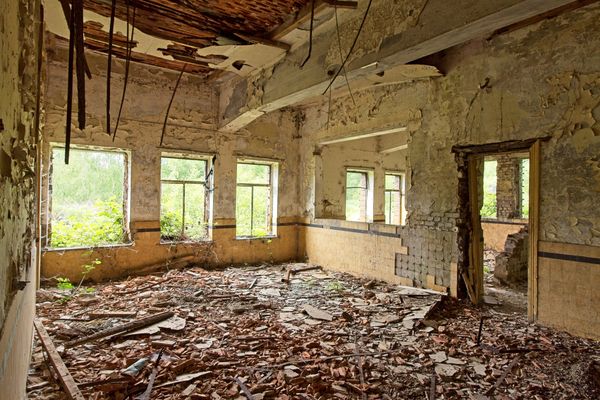
Stay out from under a sagging ceiling. A ceiling heavy with water can come down.
Take photos and video of the ceiling, the floor and anything wet.
Call us, and call a roofer if the water is coming from the roof.
Yes. Water and electricity together can cause a shock or a short circuit. Switch off that circuit at the breaker panel, don't touch the fixture or switch, and keep people away from it. Water usually comes through a light fixture because the hole in the drywall is the easiest way down from the wet insulation above.
A ceiling leak doesn't always mean a roof leak. Finding the true source decides who fixes it and how the damage is dried.
| Clue | Likely source |
|---|---|
| Leak starts during or after rain or hail | Roof, flashing or a storm opening |
| Leak appears after an ice storm or thaw | Ice on the roof or a frozen attic pipe (burst pipe) |
| Leak in summer, under the attic air handler, with no rain | AC condensate drain line (AC leak) |
| Leak under an upstairs bathroom | Toilet, shower or supply line |
| Leak only in heavy wind-driven rain | Flashing, vents or siding gaps |
A sagging ceiling is holding water and can collapse. Keep people and pets out from under it, move belongings away and put a bucket beneath the lowest point. A small bubble in the paint is less urgent but still means water is trapped above, so the source needs to be found.
Wet blown-in insulation packs down, holds water against the ceiling drywall and dries very slowly, which makes it a common place for mold to start. In most cases soaked insulation is removed, the ceiling and framing are dried, and new insulation goes in once everything is dry.
Find the source and confirm it's stopped or covered.
Map the moisture in the ceiling, attic and walls with moisture meters and thermal imaging.
Remove soaked insulation and any ceiling drywall that's sagging or soft.
Dry the attic, framing and remaining drywall with air movers and dehumidifiers.
Check moisture readings until the materials are dry.
Repair the ceiling, then texture and paint.
Yes. Hail can crack or bruise shingles without leaving an obvious hole, and the roof starts leaking during the next heavy rain. If you notice a new ceiling stain after a hail storm, have the roof checked and the ceiling and insulation inspected for hidden moisture.
A roofer repairs the roof. We take care of the water damage inside: the wet insulation, the ceiling, the walls and the floors below. Starting on the inside right away keeps the damage from spreading while the roof repair is scheduled.
Water damage from a sudden event, like a storm or hail breaking the roof, is often covered. A leak from an old, worn roof is often treated as maintenance and may not be. Check your policy, and photograph the roof damage and the ceiling before repairs. Read more: Water damage insurance claims in Owasso


Only if the bubble is small, away from any light fixture or fan, the power to that area is off and you can stand clear. A small hole at the lowest point lets water drain into a bucket instead of spreading. If the ceiling is sagging heavily, don't touch it. Leave the room and call.
A leak that shows up only in heavy or wind-driven rain usually points to flashing around chimneys, vents or skylights, or a gap where wind pushes rain sideways under the shingles. These leaks can soak insulation for a long time before a stain appears.
In a newer home, a leak like this may fall under the builder's warranty. See new construction water damage.
A dry, old stain isn't an emergency, but it should be checked. A stain that's growing, damp to the touch or appeared after a storm means water is still getting in and should be looked at right away, before it spreads into the insulation and drywall.
Not until the leak is fixed and the ceiling and insulation above it are dry. Painting over a wet ceiling traps moisture and hides a problem that keeps growing. Once everything is dry, a stain-blocking primer stops the mark from bleeding through.
Usually not. Only the section that's soft, sagging or badly stained is typically removed. Drywall that stays firm can often be dried in place. Moisture readings show exactly how far the water spread.
Without rain, the leak is most likely the AC condensate line in summer, an upstairs bathroom, or a frozen pipe in the attic after a freeze. Turn off the AC if it's running, and shut off the main water if the leak doesn't stop.
The longer water sits above the ceiling, the more insulation and drywall it ruins. Call us and tell us what you see.
Serving Owasso, Collinsville, Claremore, Catoosa and nearby areas
Water damage in your Owasso home? Call now.
Every hour water sits, it spreads further into your home. Call us, tell us what happened, and we will help you take the right next step.
Call (918) 972-3163