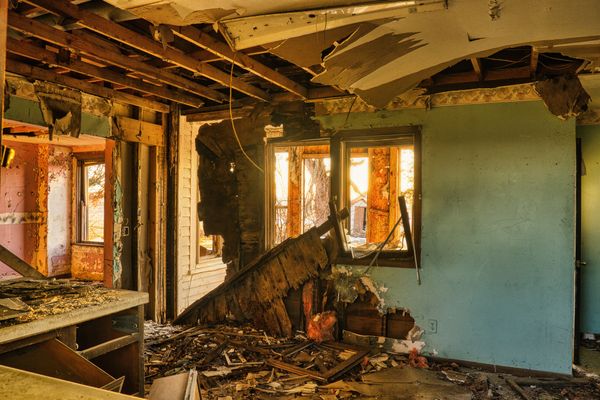
Roof leak and ceiling water damage
where attic mold usually starts
Musty smell after a leak? Call (918) 972-3163
Mold after water damage starts with moisture that was never fully dried. Our mold removal after water damage in Owasso finds and fixes that moisture first, then removes mold-damaged materials and dries the area so the mold doesn't come back.
Mold can start growing quickly on materials that stay wet, especially in warm, humid weather. The EPA advises responding to water damage and drying wet materials as fast as possible, and warns that mold may still grow even when materials are dried promptly. The safest approach is to get water out and materials dry right away, then check for hidden moisture.
A musty or earthy smell that doesn't go away
Black, green, white or gray spots on walls, ceilings or baseboards
Paint or wallpaper that bubbles or peels
Drywall that's soft, stained or warped
Allergy-like symptoms that get worse in one room
A smell from the AC vents after a leak near the air handler
Mold grows where water sat and nobody could see it. In Owasso's homes, the usual spots are:
Usually not to get started. The EPA says that in most cases, if mold growth is visible, sampling is unnecessary. A musty smell also points to a moisture problem that needs fixing first. Testing can help in special situations, like a health concern, a legal or real estate question, or checking that cleanup worked. Finding and fixing the moisture comes first either way.
You can clean small spots of mold on hard surfaces like tile, sinks and sealed wood with detergent and water, while wearing gloves and a mask. Fix the leak and dry the area first. Call for help when mold covers a large area, grows on drywall, insulation or carpet, comes back after cleaning, followed sewage or floodwater, or when anyone in the home has health problems.
Bleach isn't a fix on its own. It doesn't soak into porous materials like drywall and wood, and mold grows back if the moisture stays.
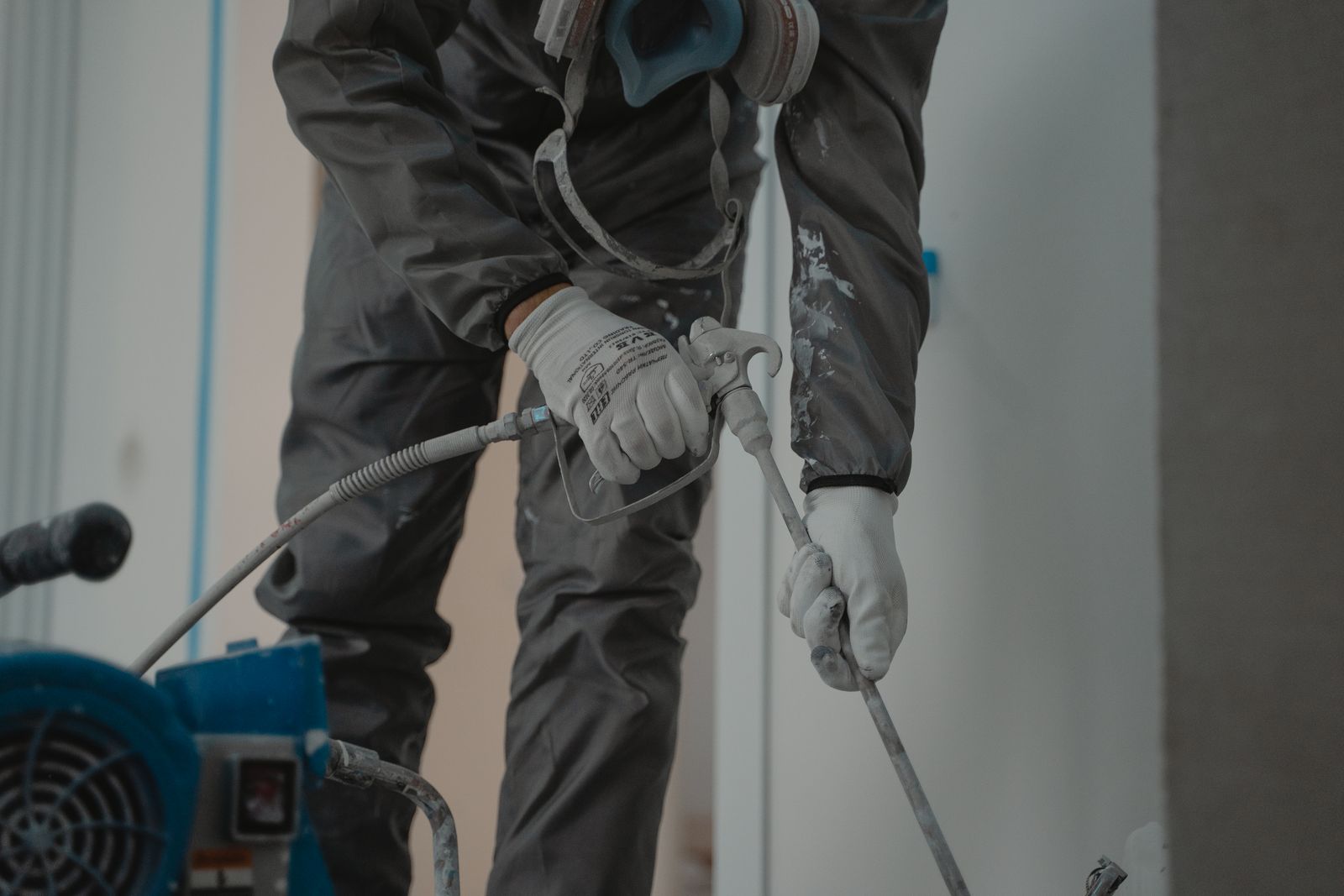
Find and fix the moisture source, with moisture meters and thermal imaging.
Contain the area so spores don't spread to other rooms.
Filter the air with HEPA air filtration during the work.
Remove mold-damaged porous materials, like drywall, insulation and carpet pad.
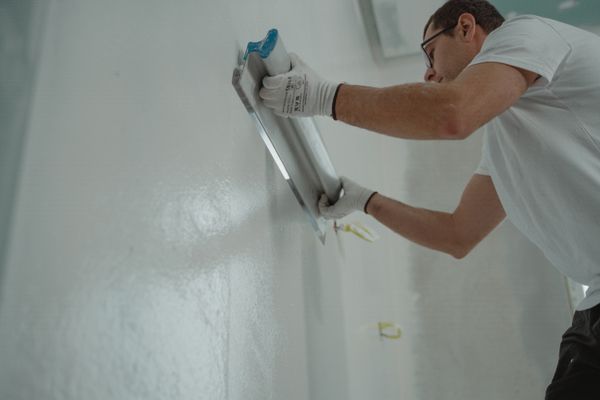
Clean the remaining hard surfaces and framing.
Dry everything thoroughly so mold has nothing to grow on.
Document the work for your records or insurance.
Learn more: How structural drying works

A musty smell usually means moisture is trapped somewhere you can't see: inside a wall, under flooring, under a cabinet or in the attic. Mold may already be growing there. Moisture meters and thermal imaging can find the wet area without opening walls unnecessarily.
No. Paint covers the stain but doesn't stop the mold or the moisture feeding it, and it usually comes back through the paint. The moisture has to be fixed and the moldy material cleaned or removed first.
The EPA notes that mold can cause allergic reactions, asthma attacks and irritation of the eyes, nose, throat and lungs in sensitive people. Anyone with allergies, asthma or a weak immune system should stay out of moldy areas until they're cleaned up.
Mold is often covered only when it results from a covered event, like a sudden burst pipe, and is often excluded when it comes from a long-term leak or humidity. Many policies also limit mold coverage. Check your policy, and report water damage early. Read more about water damage insurance claims.
In most rentals, the landlord is responsible for repairing leaks and the building materials mold has damaged. Tenants should report leaks and musty smells in writing right away. Landlords and property managers can read about our rental property water damage help.
Mold comes back when the moisture comes back. Once the leak is fixed, damaged materials are removed and the area is fully dry, mold has nothing to grow on. Keeping humidity down and fixing future leaks quickly keeps it away.
Mold keeps spreading as long as the moisture stays. Call us and we'll find where it's coming from.
Serving Owasso, Collinsville, Claremore, Catoosa and nearby areas
Water damage in your Owasso home? Call now.
Every hour water sits, it spreads further into your home. Call us, tell us what happened, and we will help you take the right next step.
Call (918) 972-3163